Immediate Safety First: What to Do When a Tree Falls
When a tree falls on your property or a storm knocks down branches across your yard, your first instinct might be to grab a chainsaw and start clearing. Stop. Safety must come first, and rushing into cleanup without proper assessment can lead to serious injury or property damage.
If the fallen tree is near power lines, do not touch it or attempt removal yourself. Contact the local utility company immediately. Downed power lines are extremely dangerous, even if they appear inactive. Keep children and pets away from the area. If the tree is blocking your driveway or creating an immediate hazard, cordon off the area with caution tape or barriers to prevent anyone from approaching it. Document the scene with photos and video from a safe distance. This documentation becomes crucial for insurance claims and when you contact a professional for Emergency Tree Service.
Check your home and surrounding structures for damage. Look for cracks in the foundation, roof damage, broken windows, or damage to fences, sheds, or vehicles. Take clear photos of all damage from multiple angles. This visual evidence is essential when filing an insurance claim and helps your tree service provider understand the full scope of work needed.
Understanding Your Insurance Coverage for Storm Damage
Most homeowners insurance policies do cover tree removal and property damage caused by storms, but coverage varies significantly depending on your specific policy and the circumstances. Understanding what your insurance will and won't cover before you need it can save you thousands of dollars and prevent costly disputes later. Start by reviewing your homeowners insurance policy or calling your insurance agent immediately after the storm. Ask specifically about tree removal coverage, liability for damage to neighboring properties, and any deductibles that apply.
Many policies cover the removal of a fallen tree only if it has caused damage to an insured structure like your home, garage, or deck. If the tree simply fell in your yard without hitting anything, removal costs may not be covered. However, if the tree damaged your roof, crushed your vehicle, or knocked down a fence, the removal is typically covered as part of the damage claim. Idaho homeowners should also understand that if your tree fell and damaged a neighbor's property, your liability coverage may apply. This is why professional documentation and photos are so important.
Document everything your insurance company requests. Keep receipts for any emergency measures you take (tarps, temporary repairs, emergency boarding of windows). When you hire a professional for Tree Removal, get an itemized invoice that clearly separates the removal cost from any debris hauling or additional services. This detailed breakdown helps your insurance adjuster process your claim more efficiently and ensures you receive fair compensation for the work performed.
Documenting Damage for Your Insurance Claim
Proper documentation can make the difference between a claim that's quickly approved and one that gets delayed or denied. Start your documentation process immediately after the storm passes and it's safe to assess the damage. Take multiple photographs and videos of the fallen tree, the damage it caused, and the overall scene from different angles and distances. Include shots that show how the tree fell, what it struck, and the extent of the destruction. Close-up photos of specific damage points (like roof punctures, crushed siding, or broken windows) are particularly valuable.
Create a detailed written record of what happened. Note the date and time of the storm, weather conditions, wind speed if you know it, and exactly what damage occurred. Write down the locations of all damaged items and structures. If you have before-and-after photos of your property, include those in your claim. Take note of any witnesses to the storm or damage. Contact your insurance company as soon as possible, ideally within 24 to 48 hours of the incident. Many policies have time limits for filing claims, and prompt reporting demonstrates good faith and urgency.
When you obtain quotes from Boise tree removal professionals, ask for detailed estimates that itemize each service. A good estimate should include the cost of tree removal, debris removal and hauling, stump grinding if needed, and any site cleanup. Provide your insurance company with these professional estimates. The insurance adjuster may send their own inspector to assess the damage, so having professional documentation ready helps support your claim and ensures the insurance company understands the full scope of necessary work.
Emergency Tree Removal Near Me: When to Call a Professional
Not all fallen trees require professional removal, but most do. If the tree is small, completely clear of power lines and structures, and you have experience with chainsaws and proper safety equipment, you might handle small branches yourself. However, for anything larger than a few branches or anything near your home, power lines, or neighboring properties, you need professional help. The risks of injury from chainsaws, falling branches, or improper rigging far outweigh any cost savings from attempting it yourself.
Professional tree service companies have the equipment, training, and insurance to handle dangerous situations safely and efficiently. They understand how to assess structural integrity, use proper rigging techniques to control where pieces fall, and operate heavy equipment like chippers and stump grinders. In Boise, several reputable companies offer 24/7 emergency response. Boise Tree Service, for example, can be reached at (208) 330-4283 for immediate assistance with storm damage and fallen trees.
When you call for emergency assistance, have your documentation ready. Describe the situation clearly: where the tree fell, what it damaged, whether power lines are involved, and whether anyone is in immediate danger. Professional crews can often respond within hours of your call, especially for hazardous situations. They'll assess the damage, discuss the removal process with you, and explain what your insurance is likely to cover. Getting professional help quickly also prevents additional damage from weather exposure or accidents.
Storm Damage Tree Service: What the Process Involves
Understanding what happens during the professional removal process can help you know what to expect and communicate better with your tree service provider. Once the crew arrives, they'll conduct a thorough safety assessment. They'll check for power line proximity, evaluate the tree's condition, identify hazards, and determine the safest removal method. For storm-damaged trees, this assessment is critical because storm damage can weaken the tree in unpredictable ways, making some removal methods unsafe.
The removal process typically involves several steps. First, the crew may need to remove large branches or sections of the tree to safely access the main trunk. They use specialized equipment like bucket trucks, cranes, or rigging systems to control where each piece falls. Large sections are cut into manageable pieces that can be safely lowered to the ground or loaded into a chipper. The debris is then either chipped for removal or stacked for hauling. Some homeowners want to keep the wood for firewood or mulch, and professional crews can accommodate that request.
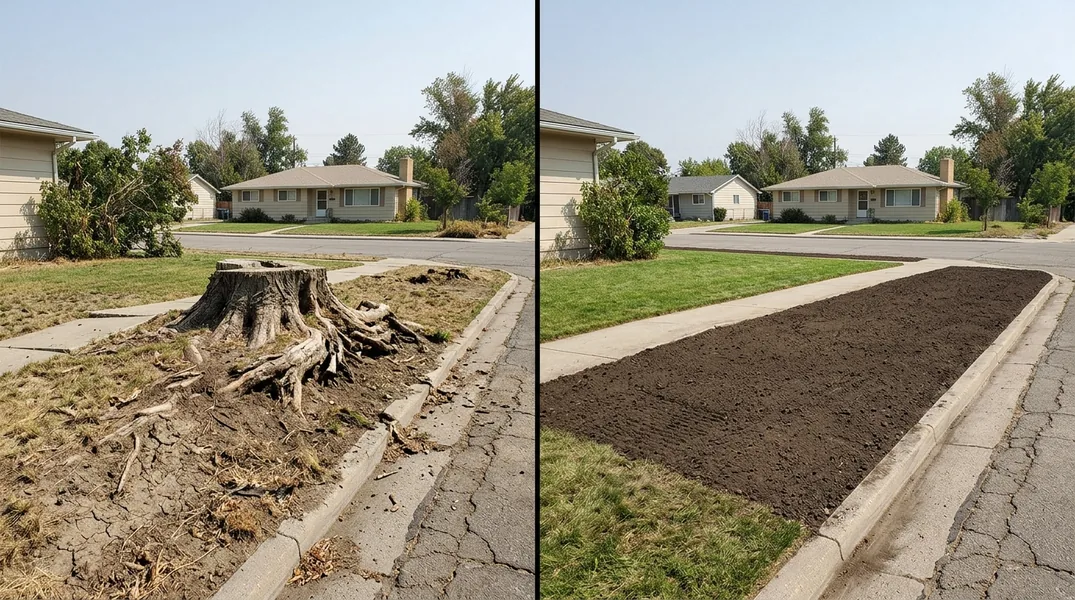
After the tree is removed, you may want to consider Stump Grinding to remove the remaining stump and roots. This prevents regrowth and reclaims yard space. The crew will grind the stump below ground level and remove the debris. Finally, they'll clean up the area, rake debris, and leave your property in good condition. The entire process, from assessment to final cleanup, typically takes a few hours to a full day depending on the tree's size and complexity. For a detailed understanding of what your specific situation will require, contact Boise Tree Service at (208) 330-4283 to discuss your needs.
Emergency Tree Removal Cost and Insurance Considerations
The cost of emergency tree removal varies based on several factors: the tree's size, its condition, how it fell, proximity to structures and power lines, and what debris removal services you need. A small tree might cost between $500 and $1,500, while large trees can range from $2,000 to $5,000 or more. Storm-damaged trees sometimes cost more to remove safely because the damage affects how the tree must be dismantled. For specific information about what your situation will cost, contact Boise Tree Service for a free estimate. Having a professional assessment before you file your insurance claim can actually help you get better coverage because the estimate documents the severity of the situation.
Remember that if the tree damaged your home or other structures, your homeowners insurance typically covers the removal cost as part of your damage claim, minus your deductible. If the tree fell but caused no damage, removal may be your responsibility unless you have specific coverage for tree removal. This is why understanding your policy before disaster strikes is so important. After a major storm, many tree removal companies get overwhelmed with calls, so contacting a professional quickly ensures you can get on their schedule and start the recovery process promptly.
Looking for a professional tree service contractor in Boise? Boise Tree Service responds fast for all your tree service needs.
Get a Free QuoteOur services: Tree Removal · Tree Trimming & Pruning · Stump Grinding